I grew up in Oklahoma, where the tallest thing on the horizon was a grain elevator. I did spend most of my childhood in Boy Scouts, so I knew how to hike and camp and build fires in the rain. I figured Scouting gave me a head start on mountains, but it didn't.
Strong isn't the same as ready
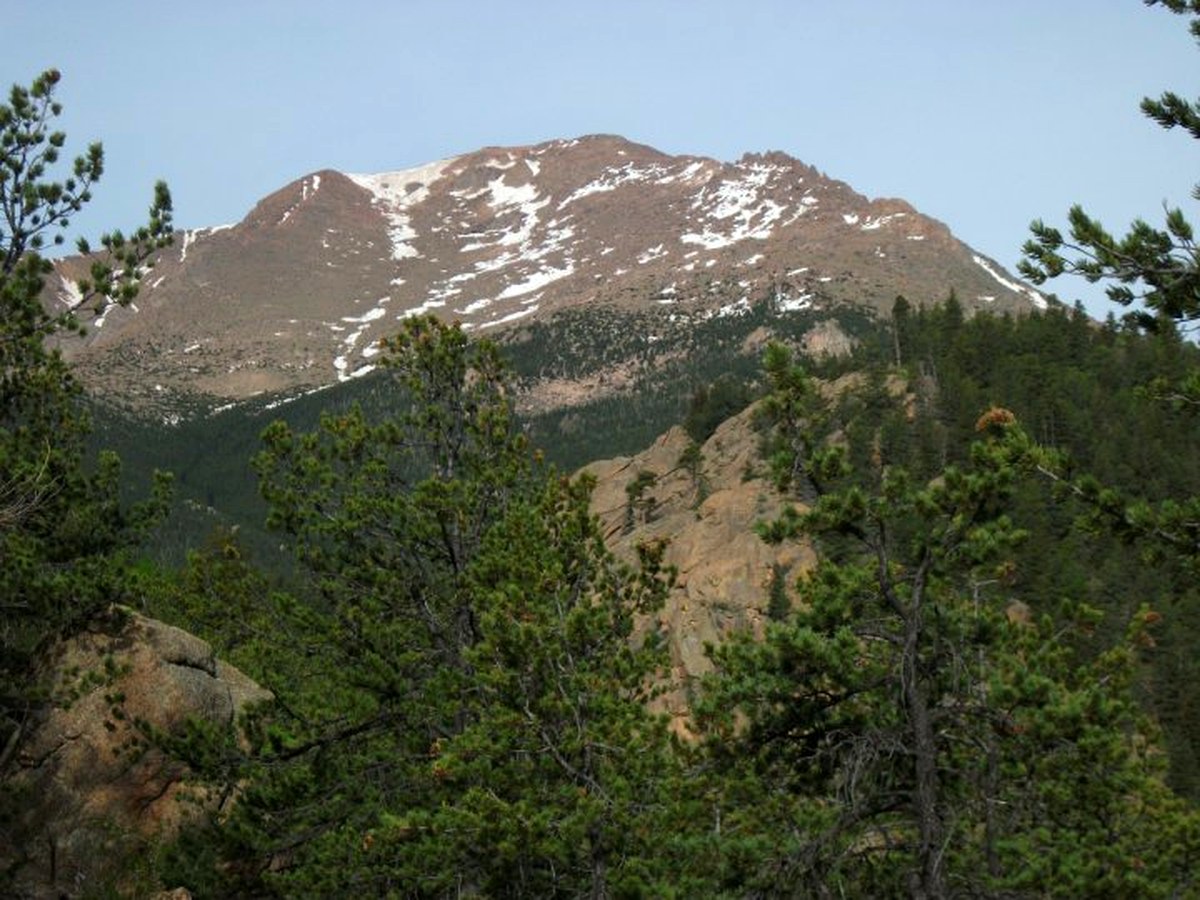
In June 2010, my brother and I drove out to Colorado to summit Pikes Peak. I was 22 and in the best shape of my life. I'd been lifting weights and doing bodyweight circuits for months, an hour straight without stopping. I had strength, and I felt ready, but I wasn't.
All that training built muscle, but it didn't build cardio. A 14er demands sustained aerobic effort for hours while each breath delivers only about 60 percent of the oxygen it would at sea level. My muscles were strong, but my heart and lungs were not.
By 12,000 feet, my legs felt like concrete. I had a splitting headache. I couldn't keep food down. Every hundred steps I stopped, hands on knees, gasping at air that didn't seem to have anything in it.
My brother and I pushed through and made it to the summit, but I'd confused being fit with being prepared.
The guy we called Muscles
On the way up, we met another hiker. My brother and I called him Muscles. He was built, strong, and moving fast. He fell in with us for a while but got frustrated with our pace and took off ahead.
We didn't see him again until much later. He never made the summit. He'd pushed too hard, too fast, and altitude sickness knocked him flat.
My brother and I were really slow, but we made it to the top and Muscles didn't. That outcome stuck with me. On a mountain, strength matters far less than whether you can pace yourself and let your body adjust. Our day was the tortoise and the hare, played out at 14,000 feet.
We missed the train
Missing the train is where the day went from hard to dangerous.
Our plan was simple: summit and take the cog railway back down. We were too slow getting up, though, and by the time we reached the top, the last train was gone. We had to descend the entire mountain on foot, and we were already spent.
Racing the storm
In a Colorado summer, afternoon thunderstorms roll in fast above treeline, and they're deadly serious. Lightning up there kills people, and I don't mean hypothetically. The experienced hikers had started their descent hours before us.
We were scrambling down way too late in the day, the sky getting darker, trying to reach a safe elevation before the storms hit. When you're racing a storm, you make compromises you wouldn't normally make. You move faster than your legs want to, skip careful foot placement, and take risks.
We lost the trail
At some point the trail just disappeared. What had been obvious on the way up was impossible to follow in the fading light. We did what desperate people do, abandoning the trail and heading straight down the mountain. We scrambled over rocks and loose scree in the growing darkness until we found the trail again.
We also had to posthole through snow fields. I had no snowshoes, no gaiters, nothing designed for snow. My gear was too heavy and wrong for the conditions. Boy Scouts in Oklahoma doesn't teach you about postholing at 13,000 feet.
The descent broke me
After what felt like forever, we reached a spot flat enough to camp for the night. We were battered and bruised, and my knees hurt in a way I'd never experienced before. The long descent had destroyed my legs. Going down was worse than going up because every step is an impact on joints that are already exhausted.
I could barely walk the next morning.
Just hours earlier, we'd stood on top of a mountain feeling like we'd conquered something, and then the mountain conquered us right back.
What I actually wish I'd known
Gym fitness and mountain fitness are different things. My muscular training made me strong, but it didn't prepare me for sustained effort at altitude with reduced oxygen. If I'd spent those months on a stair stepper with a weighted pack instead of lifting weights, the day would have gone a lot better.
Muscles taught me about pacing without meaning to. The mountain rewards steady persistence over speed. Start slow, stay slow, and adjust to the altitude. The people who summit are the ones who respect their body's signals.
You can't power through altitude. The headache, the nausea, the concrete legs: that's your body saying it doesn't have enough oxygen. Spending a night at 8,000 to 10,000 feet before summit day gives your body time to start adjusting. I drove up from the plains and started climbing the same day, so my body had zero time to adjust.
Have a real descent plan, and don't count on the train or on feeling good after summiting. Assume the descent will take as long as the climb and hurt twice as much. Bring trekking poles, train your legs for downhill, and start early enough that you're below treeline by early afternoon.
Tell someone where you're going. My brother and I were out there alone, with no cell service and no one expecting us at a specific time. If one of us had rolled an ankle in that off-trail scramble in the dark, nobody would have known where to look.
Bring the right gear. My pack was too heavy with the wrong stuff and missing the right stuff. I needed snowshoes or at least gaiters for the snow, lighter layers that wick moisture, and enough water and food for a full day instead of a granola bar and optimism. I also needed a headlamp, because I hadn't planned on hiking down in the dark.
Why I went back
Despite everything that went wrong, something happened on Pikes Peak that I didn't expect. Standing on the summit, even with a splitting headache and legs that had quit working, I saw a view that went on forever. The air was crisp and clean in a way I'd never experienced. For a few minutes I forgot how bad I felt.
That view is what brought me back. I wanted to earn the summit instead of just surviving it.
So I learned. I read about altitude physiology, talked to people who knew what they were doing, and traded the weight room for a stair stepper, running shoes, and a training plan that accounted for what altitude does to your body. The next time out, everything was different.